

extra clear toughened glass
Understanding the Price of a 2-Inch Globe Valve When it comes to industrial applications, valves play a crucial role in regulating the flow of liquids and gases. Among various types of valves, the globe valve is particularly favored for its reliability and excellent throttling capabilities. Understanding the pricing of a 2-inch globe valve is essential for purchasing decisions in diverse sectors, including manufacturing, water treatment, and HVAC (heating, ventilation, and air conditioning). What is a Globe Valve? A globe valve is a type of valve commonly used to control fluid flow. Named after its spherical body shape, this valve consists of a movable disk-type element and a stationary ring seat. The design allows for fine control over flow rates, making it suitable for applications where precise regulation is necessary. For industrial usage, a 2-inch globe valve provides a moderate size that fits well in most pipe systems without requiring excessive space. Factors Influencing the Price The price of a 2-inch globe valve can vary significantly based on several factors 1. Material Composition The primary material used in manufacturing the valve significantly impacts its cost. Common materials include stainless steel, brass, cast iron, and PVC. Stainless steel valves are generally more expensive due to their durability and corrosion resistance, while PVC valves are typically more affordable but may be limited in high-pressure applications. 2. Pressure Rating Globe valves are available in different pressure ratings, such as class 150, 300, or 600. Higher pressure ratings typically result in higher prices, reflecting the valve's ability to withstand greater forces without leaking or failing. 2 inch globe valve price 3. Design and Features Some globe valves come with specialized features, such as automated controls, ergonomic designs, and enhanced sealing technologies. These added features can elevate pricing compared to standard models, but they can also provide long-term savings by improving efficiency and reducing maintenance. 4. Brand and Manufacturer The brand reputation and manufacturer background can also influence the price. Established brands often charge a premium for their products due to the assurance of quality and performance. It is essential to weigh the benefits of purchasing from renowned manufacturers against the lower-priced options from lesser-known brands. 5. Market Demand and Supply As with any commodity, market dynamics play a critical role in pricing. Fluctuations in demand due to seasonal projects, new regulations, or shifts in industrial activity can impact prices. Additionally, supply chain issues or disruptions can affect the availability of materials, further influencing costs. Average Pricing On average, a 2-inch globe valve can range from $40 to $200, depending on the factors mentioned above. A basic PVC globe valve for residential applications may be closer to the lower end of this spectrum. In contrast, a high-quality stainless steel globe valve designed for industrial use could be at the higher end or even exceed it. Conclusion When considering the purchase of a 2-inch globe valve, it is important to understand the various factors that contribute to its price. Evaluating material composition, pressure ratings, design features, and market dynamics will help buyers make informed decisions. Investing in the right globe valve can ensure reliability and performance in any fluid-control application, ultimately leading to greater efficiency and operational success in various industries.
about
extra clear toughened glass
Understanding the Cost Factors of Globe Valves An In-depth Analysis Globe valves, a staple in various industrial processes, play a crucial role in controlling fluid flow by throttling or shutting it off completely. Their design, functionality, and durability make them indispensable in sectors like oil and gas, chemical processing, and power generation. However, the cost of a globe valve can vary significantly depending on several factors, each contributing to its overall performance and longevity. Firstly, material selection is a key determinant in the cost of globe valves. High-quality materials such as stainless steel, carbon steel, brass, or exotic alloys ensure resistance to corrosion, high temperature, and pressure, but they come at a higher price point. For instance, a valve made from stainless steel will typically cost more than one made from cast iron due to its superior corrosion resistance and durability. Secondly, the valve's size and pressure rating influence the cost. Larger valves, capable of handling higher volumes of fluid and withstanding greater pressure, require more material and manufacturing precision, thus increasing their price. Similarly, valves with higher pressure ratings often need stronger and thicker components, which also adds to the cost. The type of globe valve - whether it's straight through, angle, or Y-pattern - affects the cost too. While straight through valves are simpler in design and generally less expensive, angle and Y-pattern valves offer better flow control and are more suitable for specific applications, justifying their higher cost. Manufacturing complexity is another significant factor Manufacturing complexity is another significant factor Manufacturing complexity is another significant factor Manufacturing complexity is another significant factor globe valve cost . Globe valves with advanced features like trims, actuators, or safety mechanisms add to the cost. For example, a valve equipped with a pneumatic or electric actuator for remote operation will be more expensive than a manually operated one. Moreover, the brand reputation and quality standards adhered to during production also impact the cost. Globally recognized brands, known for their robustness and reliability, usually charge a premium for their products. Lastly, market demand and supply dynamics can sway valve prices. During periods of high demand or supply chain disruptions, prices may rise due to increased competition or production constraints. In conclusion, the cost of a globe valve is a reflection of its functionality, durability, and the specific requirements of the application it serves. It's essential to consider these factors while making a purchase decision to ensure the valve meets the operational needs while staying within budget constraints. Remember, while a lower-priced valve might seem attractive, it's crucial to weigh the potential long-term benefits of investing in a higher-quality, more durable option.
-

High quality industrial productsagement

High quality industrial products
View Details -

Meet the diverse needs of customers

Meet the diverse needs of customers
View Details -

Strict quality control

Strict quality control
View Details -

Top raw materials

Top raw materials
View Details -

Trusted supplier

Trusted supplier
View Details
Our application
news and information
Y Type Water Strainer for Efficient Filtration and Flow Management Solutions
Understanding Y-Type Water Strainers A Key Component for Fluid Management Water strainers are critic
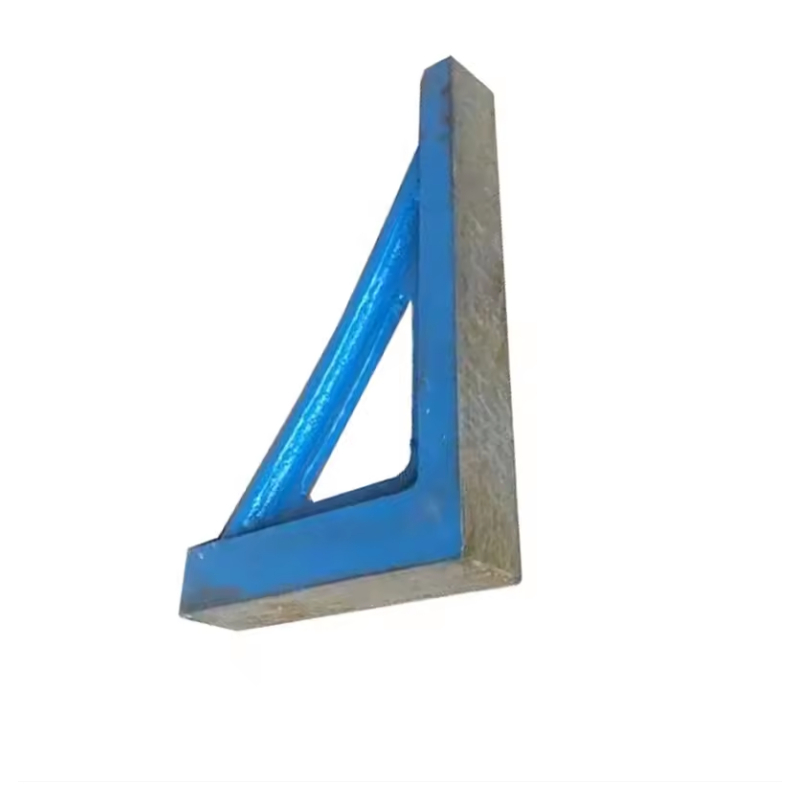
Versatile Stainless Steel Angle Ruler for Precision Measuring and Drafting Tasks
The Versatility of the Metal Angle Ruler When it comes to precision tools in the fields of engineeri
Van cầu 2 1 2
Đồng hồ van cầu 2 1 2 là một trong những thiết bị quan trọng trong hệ thống ống dẫn chất lỏng, đặc b
 English